

Why does a hair transplant fail and what should you know before the procedure?
Although the effectiveness of hair transplantation has increased significantly since it first appeared, many people still wonder why a hair transplant fails, whether failure can be avoided and what ultimately contributes to a successful result. As mentioned, most failures depend on the quality of the surgical procedure, correct planning, the patient's suitability and post-operative care. Every element is therefore critical before the procedure.
At Clinique de Monsieur we focus on precision, expertise and modern equipment. We use Direct FUE, in which the grafts are placed using the Choi implanter. This method causes the least possible trauma to the recipient area while maintaining the highest possible graft survival rate. It therefore improves both recovery and long-term results.
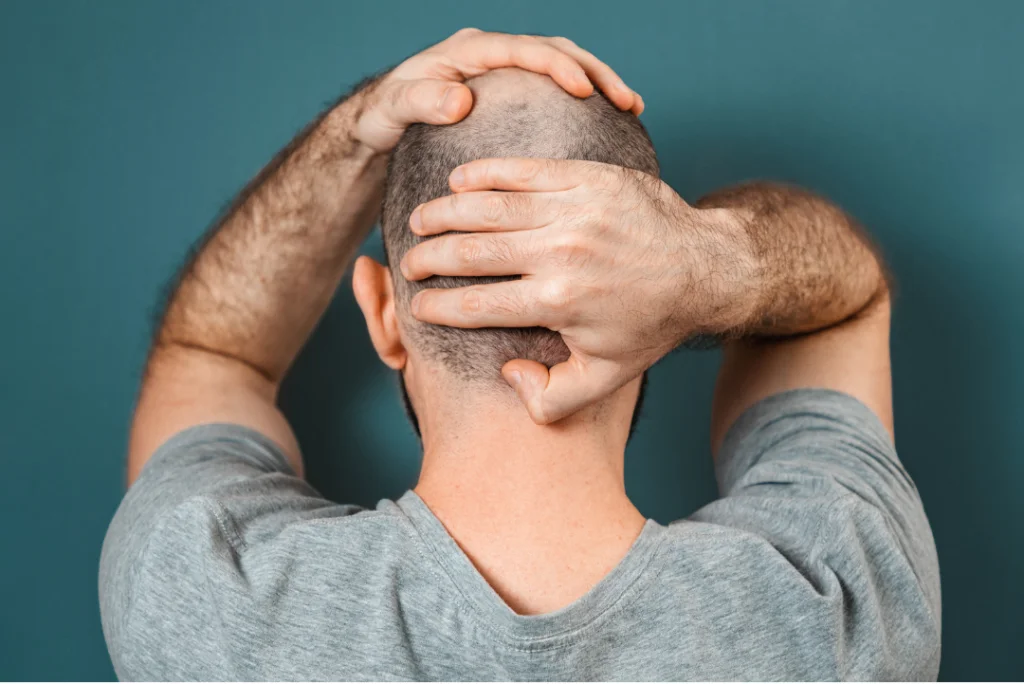
Definition of Hair Transplant Failure
What constitutes hair transplant failure?
A failed hair transplant is usually defined as an unsatisfactory result. This includes low density, an unnatural hairline or insufficient or delayed growth.
How can I recognise a failed hair transplant?
The following signs show that the transplant was not successful:
- uneven distribution of new hair growth
- low density within transplanted regions
- unnatural orientation of transplanted hairs
- slow or no growth
Why is early diagnosis important?
An early assessment allows specialists to establish whether the problem is temporary or further intervention is needed. Early diagnosis increases the chances of successful correction.
Hair transplant techniques and associated risks
The quality of the surgical technique: a decisive factor for the result
Technique is one of the most important factors affecting the result. It determines graft survival and the aesthetic outcome.
Risks of poor technique
Poor technique can lead to:
- incorrect positioning of grafts
- a poor implantation angle
- tissue trauma
All these factors reduce graft survival and create an unnatural result.
Advantages of Direct FUE for improved graft survival
Direct FUE, in which the grafts are placed using the Choi implanter:
- offers precision in angle and depth
- reduces trauma
- increases graft survival rates
The right technique is therefore crucial for avoiding failure.
Choosing an unsuitable doctor or clinic
The importance of the doctor's experience
A transplant requires technical knowledge and an aesthetic eye. The doctor's experience directly affects the result.
Risks of choosing the wrong clinic
- poor hairline design
- over-harvesting of the donor area
- poor handling of the grafts
How to choose correctly?
- proven experience
- expertise
- the use of modern techniques such as Direct FUE
Patient suitability
Is everyone a suitable candidate?
Not all patients are suitable. An assessment is essential.
Factors that affect suitability
- degree of hair loss
- donor area quality
- age and progression
Post-operative care and patient mistakes
The importance of post-operative care
The first days are critical. Poor care can destroy grafts.
Common mistakes
- touching or scratching
- washing incorrectly
- exposure to sun or sweat
- not following instructions
Why is compliance important?
It protects the grafts and helps healing.
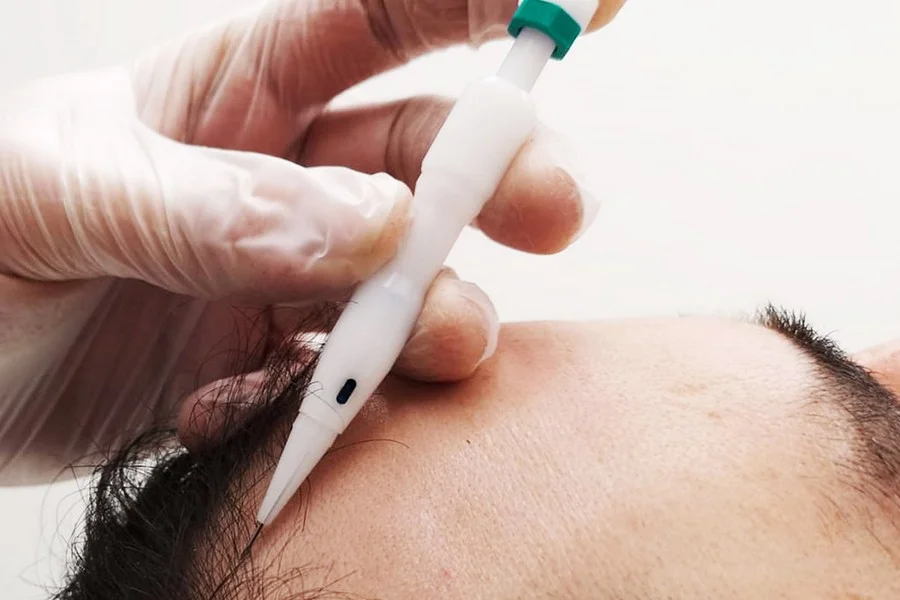
Graft survival
The importance of graft handling
Grafts are delicate and require care.
Factors that reduce survival
- time spent outside the body
- dehydration
- poor storage
How does Direct FUE help?
- less handling
- immediate implantation
- higher survival
Expectations from a transplant
Do expectations affect the result?
Yes, they affect how the result is perceived.
Realistic expectations
- gradual growth
- density in line with the donor area
- final result in 9 to 12 months
Medical and biological factors
Do they affect the results?
Yes, they affect healing and growth.
Examples
- hormonal disorders
- scalp-related issues
- impaired blood flow
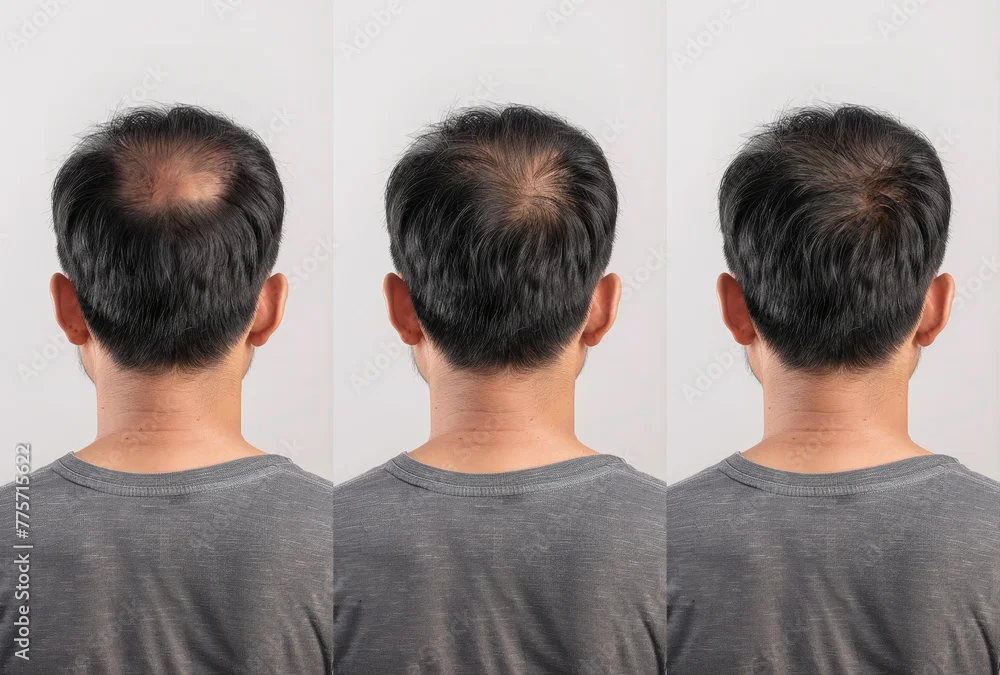
Ensuring success
Before the procedure
- choosing an experienced clinic
- proper consultation
- Realistic expectations
After the procedure
- following instructions
- protecting the scalp
- follow-up appointments
Conclusion
Why do hair transplants fail?
Failure can result from poor technique, wrong planning, poor care or unrealistic expectations.
What ensures success?
Experience, technology and the patient's cooperation are decisive.
Ready for natural, permanent results?
At Clinique De Monsieur we deliver natural, long-lasting results with a personalised approach.
Book your appointment today and get a personalised treatment plan tailored to your needs.