

When do transplanted hairs fall out following a hair transplant?
The most common question after a hair transplant is a basic one yet important: when do transplanted hairs fall out?
While many patients believe their hair will start growing immediately, the reality is that a lot happens beneath the surface of the scalp before you can enjoy your new hair. In fact, shedding is not just normal: it is necessary for the long-term success of the hair transplant.
At Clinique de Monsieur, we understand how important it is to know what to expect during the recovery period and how to achieve the best results. In addition, because Direct FUE uses Choi implanters, which allow precise placement of the grafts with less trauma to the surrounding tissue and faster healing, our team is committed to ensuring you get the best possible results.

Why does transplanted hair fall out after a transplant?
Is it normal for the transplanted hair to fall out
Yes, it is absolutely normal for transplanted hairs to fall out. In fact, shedding is a fundamental aspect of the hair transplantation recovery process.
Which factors contribute to shedding?
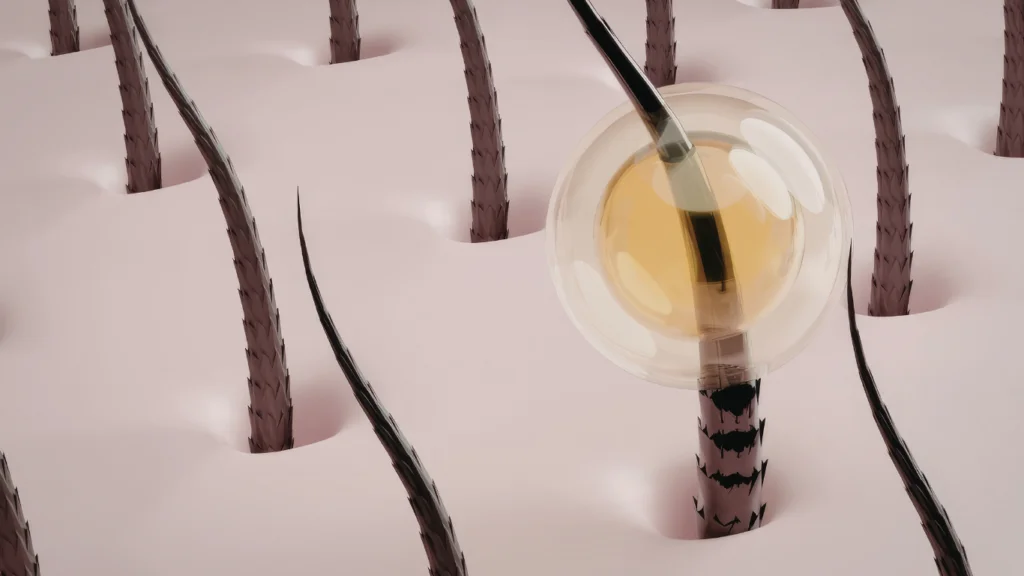
After the procedure, the hair follicles experience temporary stress. They then move into the resting phase of the hair growth cycle. At this point, the visible hairs fall out, but the follicles themselves remain beneath the scalp.
The main factors include:
- Stress caused by the surgical procedure
- Disruption of the blood supply to the follicles
- Entering the telogen phase
- Changes in the scalp microenvironment
When does transplanted hair start to visibly fall out?
When should I expect hair loss after the transplant?
In general, the period in which transplanted hair starts to visibly fall out is:
- Within two to four weeks following a hair transplant
Why does the hair not all fall out immediately?
Initially, the grafts remain stable. However, as the scalp heals, the follicles enter a dormant state. So the shedding becomes visible a little later.
Do all patients have the same timeframe?
Not necessarily. Small differences may exist depending on general health, environmental conditions such as temperature, physical condition and the characteristics of the scalp. However, two to four weeks is generally accepted.
Understanding the hair growth cycle after the procedure
What happens to the follicles when the hair falls out?
Although the hair falls out, the follicles remain alive beneath the surface of the skin. Simply put, the roots remain intact and ready for new growth.
How many stages does the hair cycle have before it starts growing again?
There are three phases in the hair life cycle:
- Anagen phase (growth phase): this is the phase of active growth
- Catagen phase (transition phase): this is the transitional phase
- Telogen phase (resting and shedding phase): this is the phase of rest and shedding.
Once the shedding phase is complete, the follicle re-enters the anagen phase and produces new hair.
How long does it take for new hair growth to start after a transplant?
When will I see new hair growth on my scalp?
On average, it takes about three to four months for new hair to appear.
When will I see a significant improvement in density and the final result?
At six months, patients start to notice a significant improvement in density.
At nine to twelve months, the maximum result is achieved.
Why is patience essential in a hair transplant?
Hair restoration is a biological process that takes time. Gradual progress therefore leads to better density and long-lasting results.
How does Direct FUE improve the shedding and regrowth process?
What makes Direct FUE an advanced technique?
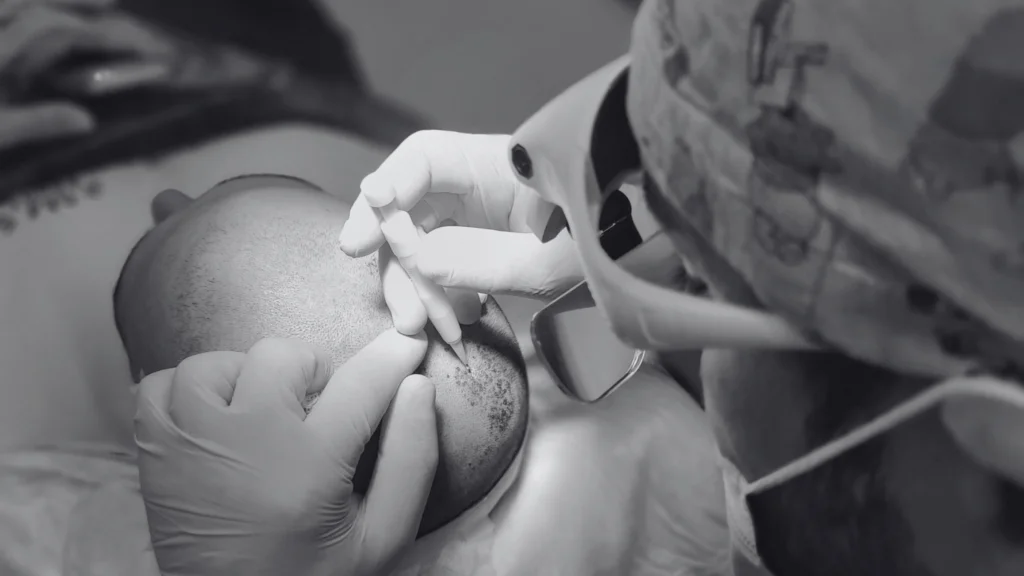
Direct FUE is a minimally invasive technique that emphasises precision and effectiveness.
How does Direct FUE help recovery?
Using follicular unit grafts implanted with the Direct FUE method allows a precise placement angle for a natural result, reduces trauma to the surrounding tissue and promotes faster healing.
What are the advantages for patients?
Patients benefit from:
- Faster recovery
- Less intense shock loss
- Higher graft survival rates
- A more natural result
Common misconceptions about hair loss after a transplant
Does losing the transplanted hair mean failure?
No. The shedding shows that the hair cycle is working properly.
Will all the transplanted hair fall out?
Yes, and this is normal. The follicles remain active and will produce new hair.
When should I contact my specialist?
Contact your doctor if:
- No new growth appears after four to six months
- There is intense redness or irritation
- There are signs of infection
Tips for healthy new hair growth after shedding
What can I do for better results?
To ensure the best results:
- Follow your doctor's instructions carefully
- Keep your scalp clean
- Avoid excessive contact with the area
Conclusion
Hair shedding after a transplant can cause concern, but it is a natural and necessary stage of the restoration process. Although the transplanted hair falls out in the first weeks, the follicles remain active and prepare for new, stronger growth.
At Clinique De Monsieur, we combine medical precision with advanced techniques, using Direct FUE for optimal results and a faster recovery
With the right guidance and realistic expectations, patients can move through every stage of the process with confidence. Ultimately, the temporary hair shedding leads to visible density, renewed confidence and permanent results
Are You Ready to Achieve the Best Possible Results?
Schedule your consultation today and receive a personalised treatment plan tailored to your needs