

When is it safe to wear a hat again after a hair transplant?
Many people ask themselves one question after a hair transplant: “when can I wear my hat again?” Although wearing a hat seems harmless, when you do it has a significant effect on graft survival, scalp healing and overall hair density. As a result, wearing a hat requires care.
At Clinique de Monsieur, we feel that the post transplantation recovery is as important as the procedure itself therefore you need to approach wearing a hat with care. Our goal at Clinique de Monsieur is to provide you with the best possible hair transplantation results while minimizing risks. Advanced technologies such as Direct FUE allow us to implant grafts with the use of Choi implanter allowing for enhanced accuracy and less trauma to the scalp resulting in quicker healing.
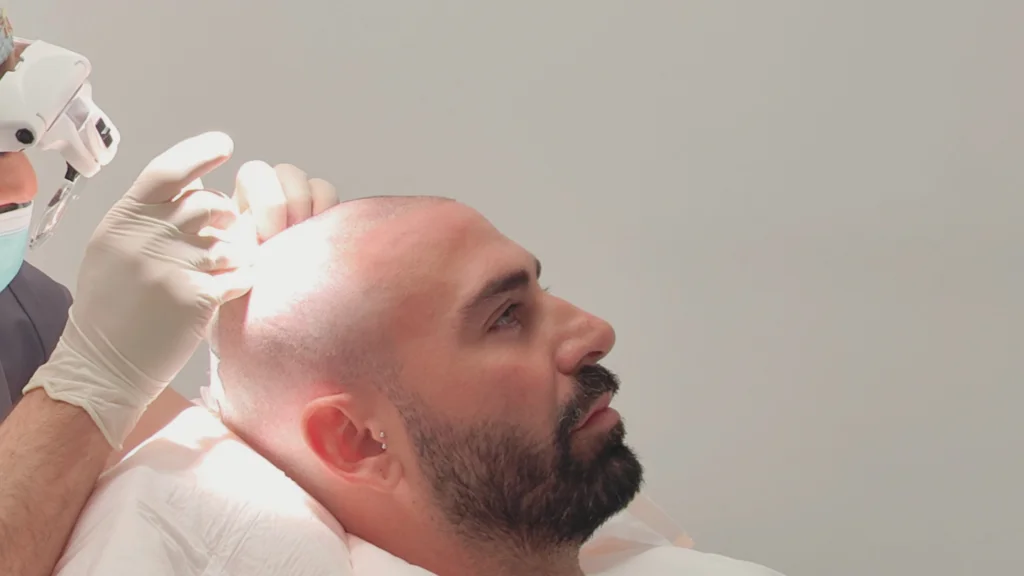
What happens to your scalp following a hair transplantation process?
Why does my scalp feel so sensitive following a hair transplantation procedure?
As soon as you complete a hair transplantation procedure your scalp enters the healing phase. Since each graft has now been implanted the surrounding tissues become very sensitive.
What symptoms should I expect following my hair transplantation procedure?
Following a hair transplantation procedure many patients report experiencing
- Both redness in donor and recipient areas
- Mild swelling within the forehead
- Tiny crusts or scabs surrounding each graft
How do these symptoms affect wearing hats following my hair transplantation procedure?
Because your newly transplanted grafts are still unstable at this point in time any amount of pressure or friction against your scalp could potentially cause them to displace. Therefore, it is imperative to keep your scalp free of any external contact throughout the initial few days following surgery.
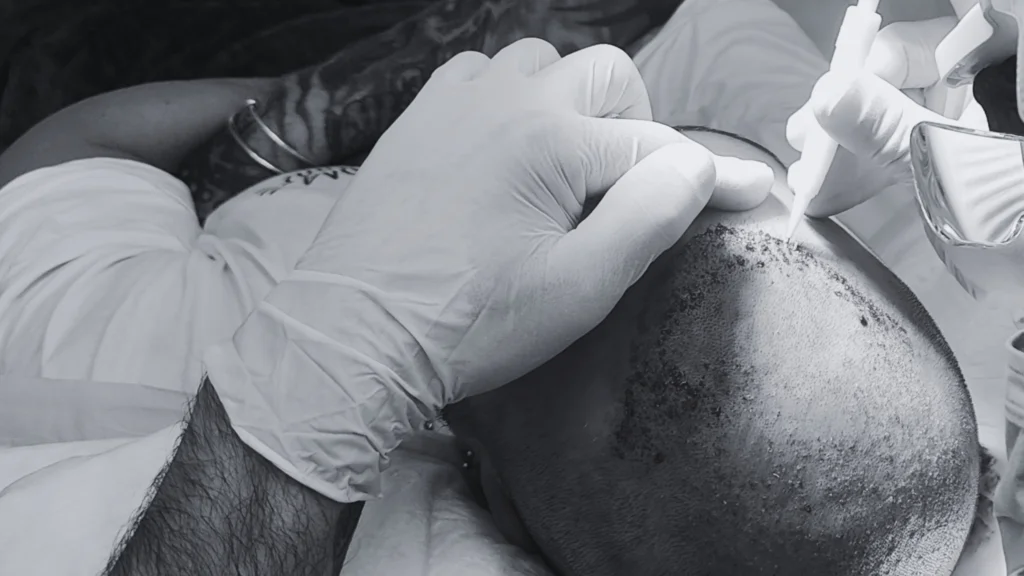
When can I safely wear a hat after my hair transplantation procedure?
Can I wear a hat immediately following surgery?
No, you should refrain from wearing a hat for at least the first 48 to 72 hours following surgery because your new grafts are extremely fragile during this time frame.
When would be generally acceptable to start wearing a hat?
Generally speaking patients may begin wearing a loosely fitting hat approximately 3 to 5 days following their hair transplantation procedure. However please note that your physician may give different recommendations based on your individual circumstances.
Why must I wait before wearing a hat?
In the first few days:
- The grafts are unstable
- The scalp is healing
- Pressure can affect their position
What will happen if I wear a hat too soon following surgery?
If you wear a hat too early, it can cause
- The grafts to shift
- Delays in healing
- Reduced final density
Therefore, patience is key to achieving the best possible hair transplantation outcomes.

Types of hats that are considered safe following a hair transplantation procedure
What kinds of hats are recommended to wear?
When a hat is allowed, choose:
- Loose-fitting hats
- Soft materials such as cotton
- Breathable fabrics
Which hats should I avoid wearing?
Avoid:
- Tight hats
- Helmets
- Heavy, structured hats
Why does type of hat matter?
Wearing tight hats creates an environment where there is added pressure and friction against the scalp which can damage your newly transplanted grafts and irritate the skin.
How to safely wear a hat post-surgery
What is the proper way to put on a hat?
To put on a hat safely you simply need to gently place the hat on top of your head without rubbing it against the area containing your transplanted grafts.
Step by step:
- Carefully place your hat over your head
- Do not rub or drag your hat across the area containing your newly placed grafts
- Slowly remove your hat from your head
Why is technique important?
Even slight amounts of friction can contribute to instability of your new grafts during early stages of healing. Therefore, gentle handling is necessary.
How long should I continue to exercise caution when wearing hats
When do new grafts begin to stabilize?
New grafts typically begin to stabilize in about 7 to 10 days.
When may I return to normal use of hats?
For most patients it is acceptable to wear hats as normal again in approximately two to three weeks.
Why am I still at risk even though it has been one week since surgery?
While new grafts do continue to stabilize over time your scalp also continues to heal. Thus, continued avoidance of applying excessive pressure on your scalp remains necessary.
Advantages of Direct FUE for faster recovery time and reduced discomfort
What makes Direct FUE superior than other techniques used today?
Direct FUE is a minimally invasive technique that enables surgeons to precisely control graft placement and position.
How does Direct FUE improve healing time?
With Direct FUE, the grafts are placed using the Choi implanter
- Precise placement is achieved
- Trauma to tissues is minimized
- Healing times are shorter
What are the benefits for patients?
- Faster recovery
- Decreased discomfort
- Return to daily habits earlier
- A more natural result
Thus, patients who undergo Direct FUE procedures benefit from both rapid recovery and long-term successful outcomes.
Conclusion
When can I safely wear a hat after a hair transplant
Most patients can wear a loose hat after 3 to 5 days and return to normal use after 2 to 3 weeks.
Why Is Timing So Important
Because protecting the grafts during the initial healing phase ensures higher survival, a faster recovery and optimal density.
With advanced techniques such as Direct FUE, the grafts are placed using the Choi implanter, ensuring precision, minimal trauma and natural results.
At Clinique de Monsieur we combine expertise and personalised care for excellent, long-lasting results.
Ready to protect your result?
Book your appointment today and receive a personalised recovery plan with Clinique De Monsieur.