

What is shock loss after a hair transplant and why does it happen?
Temporary hair loss after a hair transplant is one of the most common concerns for patients after the procedure. Many patients worry when they notice unexpected hair shedding after the transplant. But is it a complication or a normal stage of recovery?
Although it may seem alarming, shock loss after a hair transplant usually occurs because the scalp reacts to surgical stress. So although it may cause concern, it is part of the normal healing process.
At Clinique de Monsieur we emphasize precision and patient education. Also, using advanced techniques such as Direct FUE where grafts are being implanted with the use of Choi implanter, trauma on the scalp during the procedure is minimized which enhances optimal scalp recovery.
In this article, we explain why shock loss occurs after a transplant, its timeframe and how you can manage it effectively for the best possible results.
Why Does Shock Loss Happen After A Hair Transplant?
How do I know if shock loss is due to the transplant technique?
Even though modern techniques reduce trauma to follicles, the follicles still experience temporary stress that can result in Shock loss.
What Are the Main Factors Causing Shock Loss?
There are several key factors that contribute to this process
- Temporary disruption of blood supply
- Inflammation in the area
- Stress on the existing neighbouring hair
- Hormonal sensitivity such as DHT
Can different transplant techniques cause more shock loss?
Yes. With Direct FUE, where the grafts are placed using the Choi implanter, both damage to the surrounding hair and the intensity of stress on the follicles are reduced. As a result, the likelihood and intensity of shock loss are significantly lower compared with other methods.

When does shock loss start after a hair transplant?
How soon after the transplant will I start losing hair?
It usually takes about 2 to 4 weeks after the procedure for shock loss to begin.
Why does the hair not fall out immediately?
During the first few weeks post procedure, you will not notice significant changes. Initially, the newly transplanted hair remains intact. Then, as the follicles enter their resting phase, shedding begins.
Is this timeframe the same for all patients?
Yes. It is completely normal and expected as part of the restoration process.
How long does shock loss last
How long will I keep losing hair?
On average, shock loss lasts from about 8 weeks after the procedure to about 6 to 7 months afterwards, although this can vary from case to case.
When will I start to see new growth?
About three months after the procedure, you will start to see new hair.
When is the final result visible?
The final results appear between 9 and 12 months after the transplant. Patience is therefore decisive.
Can shock loss lead to permanent hair loss?
Is shock loss permanent?
No. Although you lose the transplanted hair, the follicles remain active and will produce new hair once healing is complete.
The difference between shock loss and failure
How can I tell whether it is shock loss or a failed procedure?
If the loss is temporary, it is shock loss. If it is permanent, then the procedure has failed.
The differences between them include
Shock loss
- Temporary
- The hair grows back
Procedure failure
- Permanent
- There is no regrowth
Why Is Understanding This Important?
Because it reduces anxiety and helps the patient stay calm during recovery.
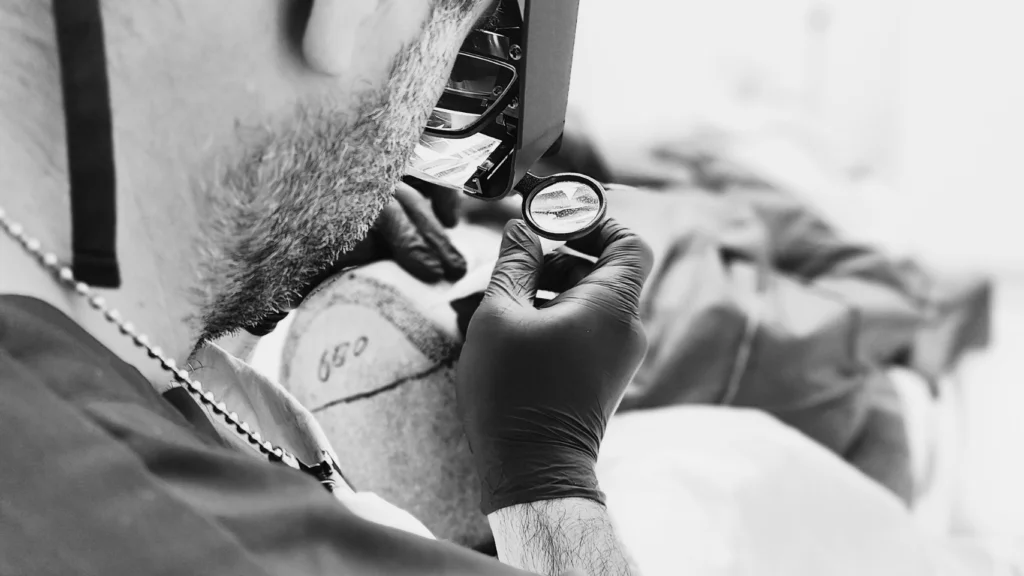
How does Direct FUE reduce shock loss?
Why is it considered an advanced technique?
Direct FUE is a minimally invasive method that offers precision and reduced trauma.
How does it reduce shock loss?
With Direct FUE, the grafts are placed using the Choi implanter:
- Precise placement is achieved
- Tissue trauma is reduced
- Blood supply is preserved
What Benefits Do Patients Experience?
- Less intense shedding
- Faster recovery
- Higher graft survival rate
- Natural result
How can you reduce shock loss after a transplant?
What can I do to reduce it?
You can support your recovery by:
- Following the medical instructions
- Avoiding contact with the scalp
- Maintaining proper hygiene
Are There Treatments That Help Reduce Shedding?
Yes. Your specialist may recommend:
- Topical treatments
- Anti-DHT treatment
- Nutritional support
Why is aftercare important?
Because it directly affects follicle survival and the final result.
Common Mistakes That Increase Shock Loss
What should I avoid?
Avoid
- Touching or scratching the scalp
- Exposure to heat or sun
- Ignoring instructions
Why are they dangerous?
Because they increase inflammation and stress on the follicles.
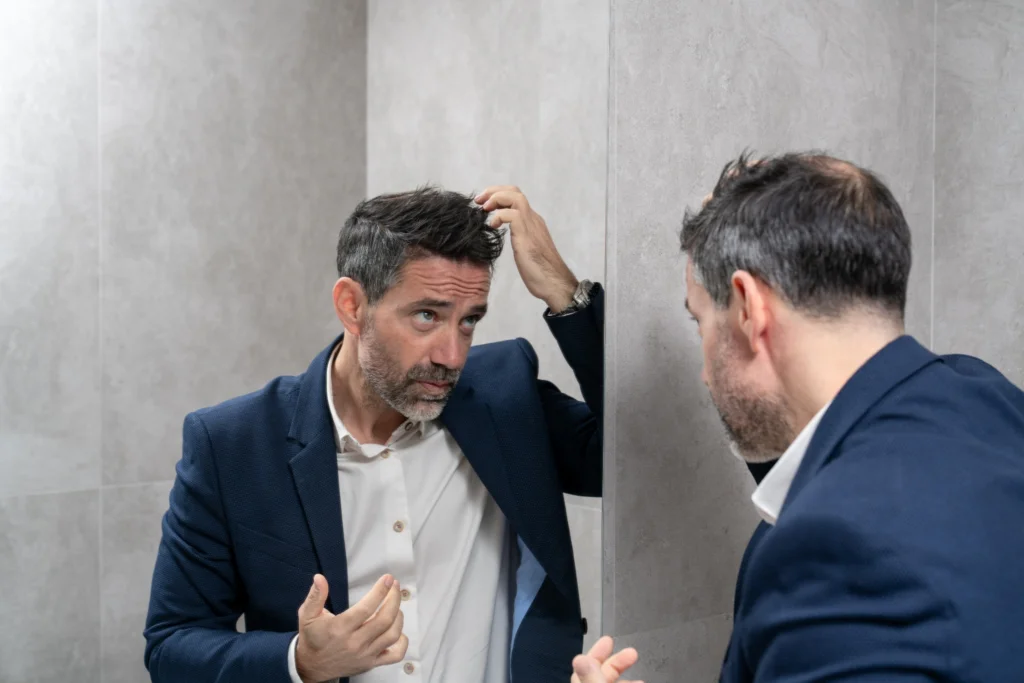
When Should You Consult Your Doctor?
When Is Shock Loss Not Considered Normal?
You should consult your doctor if:
- Shedding continues beyond 2 months
- There is no growth after 4 to 6 months
- There are unusual symptoms
Why is assessment important?
For early intervention and to protect the result.
Conclusion
What is shock loss after a transplant?
It is a temporary phase of hair shedding that is part of normal healing.
Why should you not worry?
Because it is expected and is followed by new growth.
With advanced techniques such as Direct FUE, where the grafts are placed using the Choi implanter, precision, minimal trauma and a natural result are achieved.
At Clinique De Monsieur we combine expertise, innovation and personalised care for excellent results.
Are You Ready to Achieve the Best Possible Results?
Book your appointment and get a personalised treatment plan.