

Introduction
Hair loss in men – why does hair fall out and why is it such a common concern today?
If you have started noticing thinning, a receding hairline or reduced density, you are not alone. Hair loss affects millions of men worldwide, often earlier than expected. Although many consider it simply part of ageing, the reality is more complex and is often linked to specific biological and environmental factors.
Understanding hair loss in men is the first step to treating it effectively.
At Clinique de Monsieur, we understand that hair loss is not only about appearance. It is also about confidence and how you feel every day. That is why early diagnosis and a personalized approach are essential. Today, with advanced techniques such as Direct FUE, grafts are being implanted with the use of Choi implanter, allowing for precise placement and natural looking results.
In this article, we will explain why men lose hair, what factors are involved, how the condition develops, and what you can do to effectively address it.
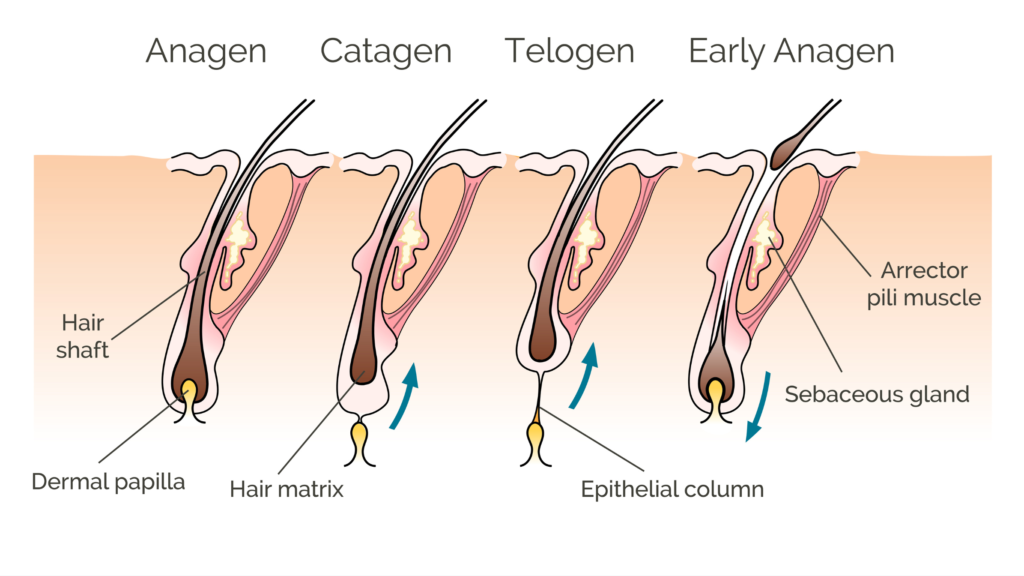
What causes hair loss in men and why does it happen
What are the main reasons behind hair loss?
Hair loss in men usually does not happen for just one reason. Instead, it is the result of several factors working together. Therefore, understanding the cause is the first and most important step toward choosing the right treatment.
The most common causes include:
- Genetic predisposition
- Hormonal changes, especially DHT
- The natural aging process
- Lifestyle habits
Each of these factors affects the hair growth cycle, gradually leading to thinning.
Is genetics the main cause
Is hair loss mostly inherited
In most cases, yes. Genetics is the main factor behind hair loss in men. This condition is known as androgenetic alopecia.
How does genetic hair loss actually work?
Men with a genetic predisposition have follicles that are sensitive to DHT. As a result, they shrink gradually.
This leads to
- Thinner and weaker hair
- Slower regrowth
- Eventually, hair production stops
Why does it follow a specific pattern?
Because certain areas of the scalp are more affected by DHT, hair loss usually starts at the temples or the crown.
Can lifestyle affect hair loss
Do daily habits really make a difference
Yes. Although genetics lays the foundation, daily choices can speed up hair loss.
Which factors affect
- Chronic stress
- Poor nutrition
- Lack of sleep
- Smoking
How do these affect your hair?
These factors disrupt the normal hair growth cycle. As a result, more hairs move into the shedding phase.
What are the different types of hair loss
Are all forms of hair loss the same
No. Each type requires a different approach.
The most common types
- Androgenetic alopecia
The most common form, which progresses gradually - Telogen effluvium
A temporary condition caused by stress or illness - Alopecia areata
An autoimmune condition that causes localised loss
Correctly identifying the type is crucial for choosing a treatment.
How hair loss is diagnosed
How the cause is identified
The specialist examines the scalp, assesses density and takes your medical history.
Why diagnosis is important
Because the right treatment is based on the right cause. Early diagnosis leads to better results.
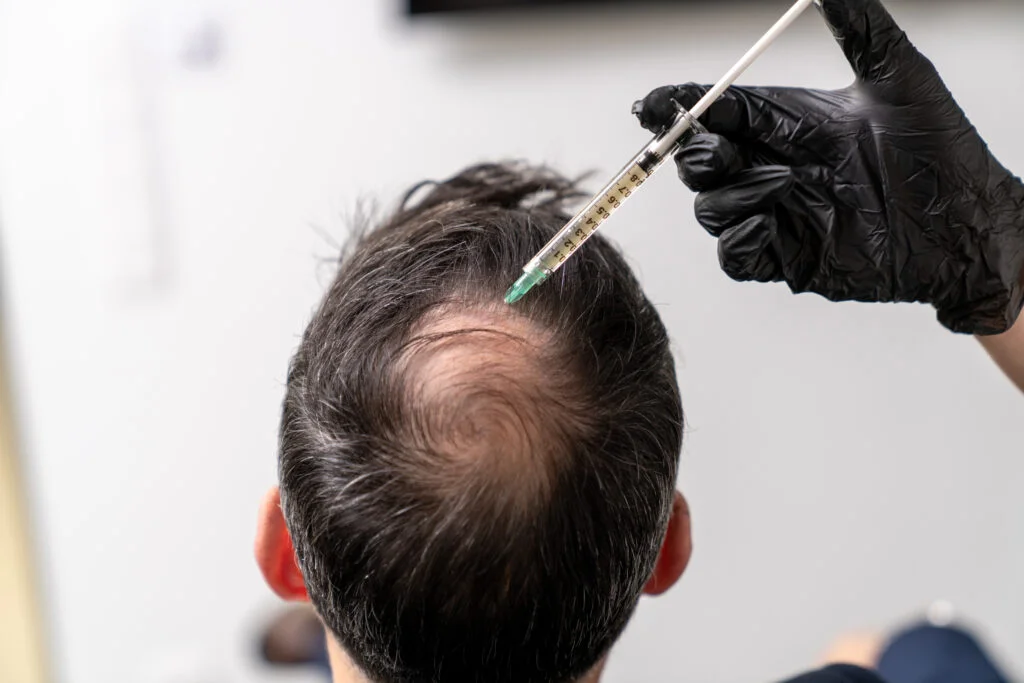
What treatments are available
Can hair loss be treated successfully
Yes, especially when treated early.
Non-invasive treatments
In the early stages, the following can help
- Anti-DHT medication
- Topical growth treatments
However, they slow down hair loss without fully restoring it.
Surgical Solution with Direct FUE
In more advanced stages, a transplant is the most effective solution.
With Direct FUE, healthy follicles are moved to the thinning areas. The follicles are placed using the Choi implanter, ensuring precision and ideal growth conditions.
Guidelines from the International Society of Hair Restoration Surgery support transplantation as a long-term solution.
Why a hair transplant is the most effective solution
What makes it permanent
The transferred follicles are resistant to hair loss.
What are the benefits
- Natural result
- Long-lasting
- Increased density
It improves confidence
Yes, restoring your appearance significantly improves confidence.
How Direct FUE improves results
What makes it stand out
It is one of the most modern techniques.
How it improves the result
The grafts are placed using the Choi implanter, ensuring
- Correct direction
- Minimal trauma
- High survival
What the advantages are
- Fast recovery
- No scars
- Natural result
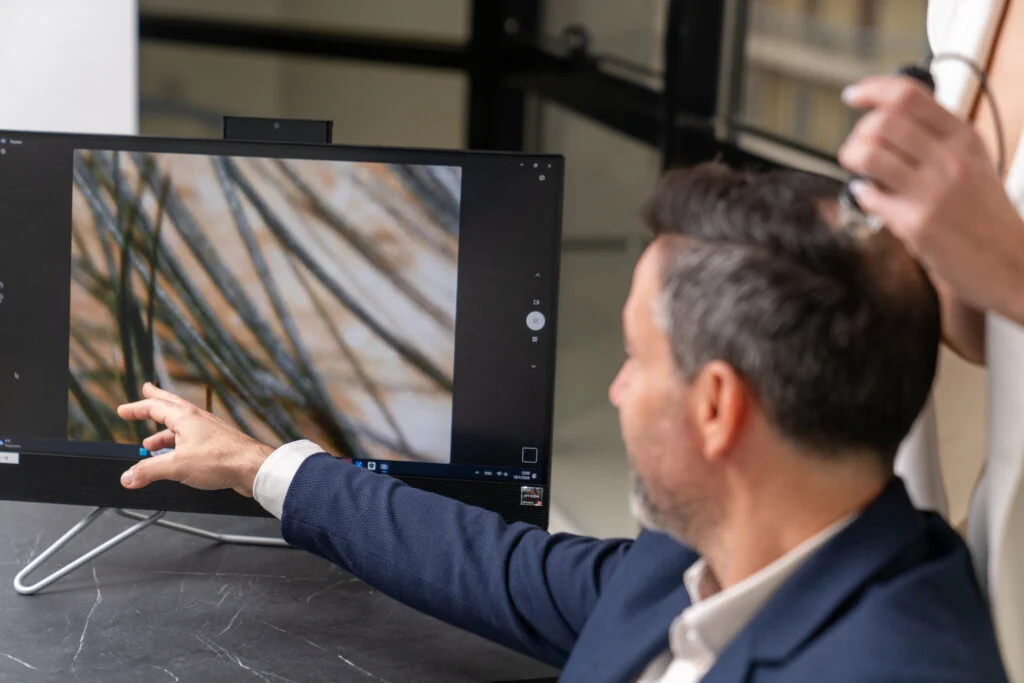
The Clinique de Monsieur approach
What makes us different
At Clinique de Monsieur we combine medical knowledge with aesthetic precision.
How personalisation works
- Detailed diagnosis
- Customized treatment planning
- Strategic donor area management
- Use of Direct FUE
The grafts are placed using the Choi implanter, ensuring a natural result.
Why it matters
Every case is unique and requires a personalised approach.
Conclusion
What makes androgenetic alopecia in men such an important condition to address?
It is not only the most common cause of hair loss but also a progressive condition that affects appearance and confidence. Although the causes are linked to genetics and hormones, effective solutions exist today.
In addition, the best results are achieved with early diagnosis, the right choice of treatment and modern techniques. With Direct FUE, where the grafts are placed using the Choi implanter, precision, a natural result and long-term success are achieved.
At Clinique de Monsieur, our goal is to deliver natural, long-lasting results through personalised solutions and advanced technology.
Contact us to schedule your own consultation with Clinique De Monsieur.