

Introduction
Are you considering a hair transplant and wondering who should perform the procedure? Doctor Only Hair Transplantation is the safest and most effective way to achieve a natural result, strong graft survival, and real donor area protection.
Many people search for a solution to hair loss without realizing that long term success depends mainly on medical expertise. In this article, we explain why a dermatologist or a plastic surgeon is essential, why natural density is achievable, and why the donor area must be protected for a lasting outcome. International medical organizations confirm that doctor led hair transplantation significantly increases safety and graft survival.
What a Hair Transplant Really Is
Is it a simple cosmetic service or a medical procedure
Many people think a hair transplant is simple. A hair transplant is a minor surgical procedure that demands precision. The doctor takes healthy follicles from the donor area and carefully places them in the thinning zones. This creates a natural hairline and natural density. In addition, medical sources explain that the right technique determines the final result. Many patients wonder whether a transplant can change their appearance. Yes, when it is done correctly, the result looks natural and permanent.

How the FUE technique works
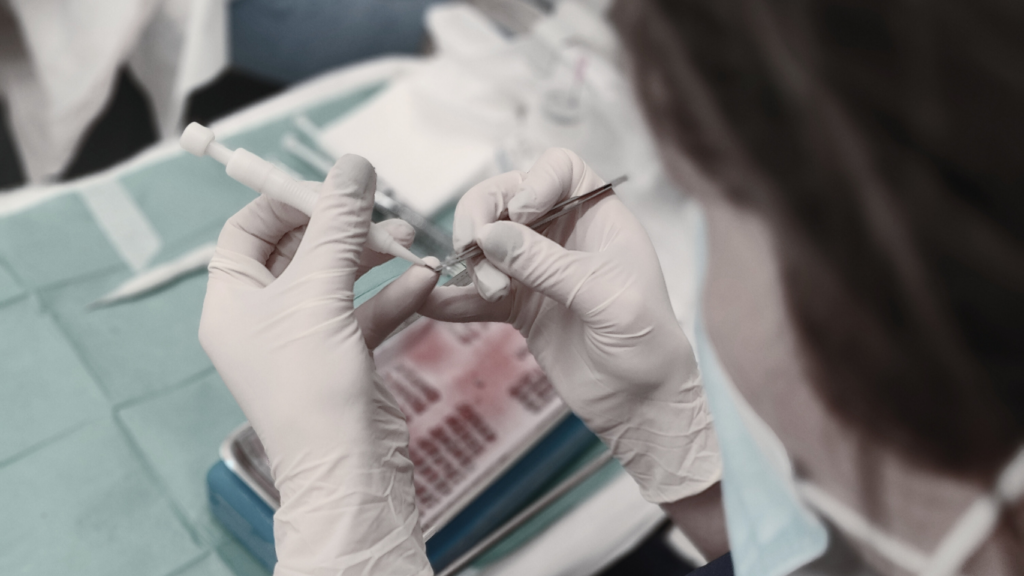
FUE uses atraumatic extraction of individual grafts. Then the doctor places each follicle with the correct angle, correct direction, and correct density. This is how a natural result and high graft survival are achieved. The technique also reduces trauma and helps protect the donor area. International clinical information shows that properly performed FUE significantly increases graft survival and delivers long term density.
Why a Hair Transplant Should Be Performed Only by Doctors
What a specialized doctor ensures
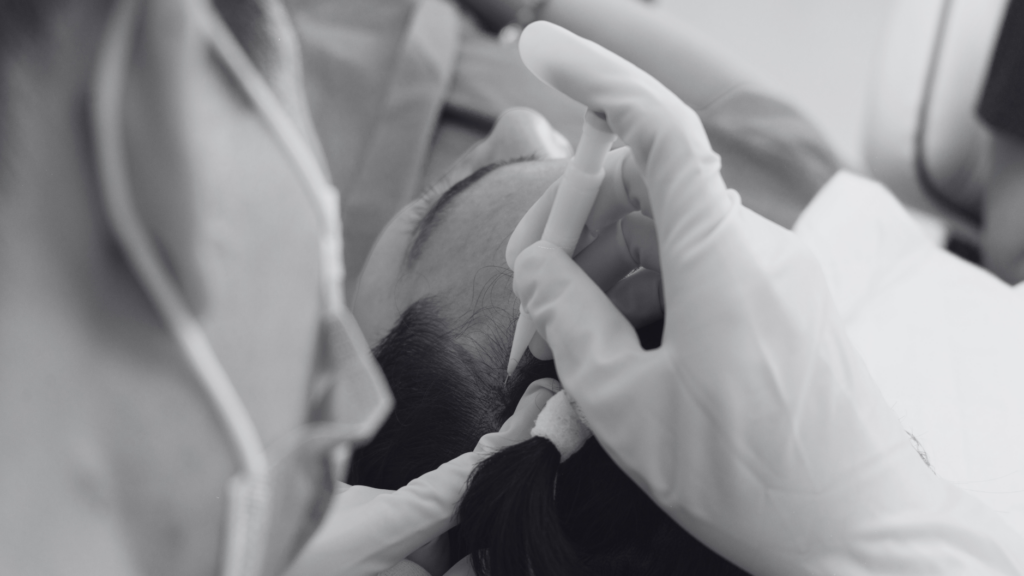
Why should a doctor perform the transplant? Because a transplant is a medical procedure that requires diagnosis, surgical skill and the management of complications. The doctor assesses the hair loss, designs a natural hairline and ensures sterility and safety. The doctor also protects the donor area and optimises graft survival. International health guidelines highlight the importance of medical supervision in every surgical procedure.
What happens when a doctor is not involved
When the procedure is not performed by a doctor, the risks increase significantly:
Over-extraction can cause permanent damage to the donor area. Low graft survival leads to a thin result. Infections, scarring and an unnatural hairline may also occur. Studies show that non-medical procedures have a higher complication rate. Choosing a doctor therefore determines the final result.
The Role of the Dermatologist in Hair Transplantation
Why diagnosing hair loss matters
Before a transplant, you must know the cause of hair loss. The dermatologist examines the scalp and identifies whether the issue is androgenetic alopecia or another condition. This prevents transplant failure. Correct diagnosis also supports strategic planning and long term stability.
How the dermatologist supports graft survival
The dermatologist optimizes scalp health before and after the procedure. The dermatologist can also apply supportive treatments that improve circulation and stabilize grafts. This can increase graft survival and improve hair growth.
The Role of the Plastic Surgeon
Why the aesthetic approach is essential
A transplant is not only about placing grafts, it is also about overall facial harmony. The plastic surgeon designs a hairline that matches your facial structure and age. This helps the result look natural and not detectable.
How natural density is achieved
The doctor places each graft with the correct angle and direction and distributes density in a natural pattern. This avoids an artificial look and maintains a natural appearance even at close distance.
Donor Area Protection and Why It Determines Your Long Term Options
What donor area protection means
The donor area is the foundation of any future hair restoration. If it is damaged, it cannot be restored. For that reason, the doctor performs careful, controlled extraction and avoids overuse of the area.
How protection is secured
Evenly distributed extraction and atraumatic technique preserve natural donor density. Long term planning also keeps future transplantation options open.
How Donor Area Protection Is Achieved
Why it is so important
Graft survival determines your final density. If grafts do not survive, the result will look thin. Every follicle matters and directly affects the outcome.
How graft survival is maximized
The doctor uses atraumatic extraction, keeps grafts hydrated, and reduces out of body time. Precise placement supports stronger growth. This significantly increases survival.
How to Choose a Hair Transplant Doctor
What to check
Check the medical specialty, experience, and proven natural results. Make sure the procedure is under real medical leadership. This increases the likelihood of success.
Frequently Asked Questions
Is the result permanent
Transplanted hair is genetically more resistant. However, proper medical execution affects how long the result lasts and how dense it becomes.
When will results be visible
Growth usually starts at 3 to 4 months and completes around 12 months, so patience is important.
Is it safe
When performed by a specialized doctor, hair transplantation is safe and effective.
Conclusion
Doctor-only hair transplantation is the foundation for safety, a natural result and long-term success. The dermatologist protects scalp health and optimises graft survival, while the plastic surgeon ensures a natural hairline and facial harmony. In addition, the right technique preserves the donor area and guarantees a sustainable result. If you are considering a hair transplant, seek an assessment from a specialised doctor and get properly informed. The right choice today determines the result for a lifetime.